Pick a subject that we can help you with
Register and secure your free lesson.

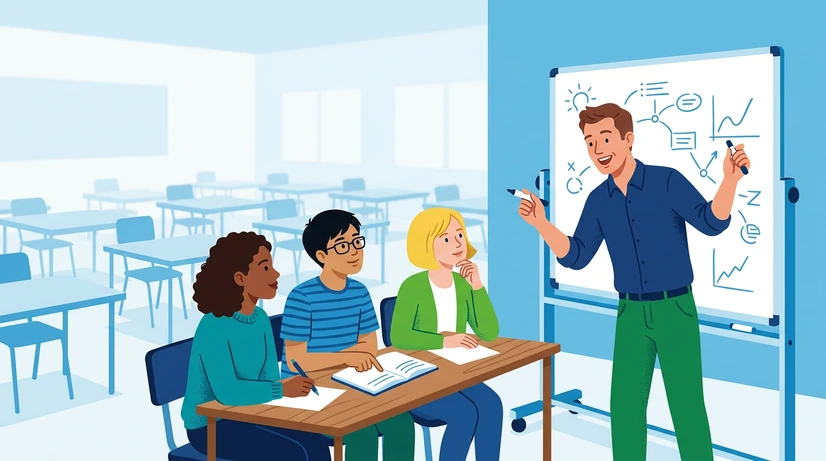
Micro-class tutoring is a form of small group tuition where a qualified tutor teaches a very small number of students — typically three to five — in a live, structured session. It sits between a standard classroom lesson (where 25–30 students compete for a teacher's attention) and traditional 1-to-1 private tutoring (where a single student works with one tutor).
The micro-class format has grown significantly in UK education in recent years, driven by research showing its effectiveness — particularly for secondary school students preparing for high-stakes exams like GCSEs.
At TutorToday, all micro-classes are capped at a maximum of five students. Every session is led by an expert tutor from a top UK university, and is aligned to the student's specific GCSE exam board.
In a 1-to-1 session, everything depends on the tutor. If the tutor is excellent, the session is excellent. But the student is also in a high-pressure environment where every question, every mistake, and every pause is visible to the tutor and no one else. For many students — particularly those who are already anxious about their performance — this can feel more stressful than helpful.
In a micro-class, the dynamic shifts. Students hear their peers ask questions they wouldn't have asked themselves. They see others make the same mistakes they make. They build confidence in a lower-stakes environment that still has the structure and pace of a proper lesson.
The Education Endowment Foundation's Teaching and Learning Toolkit found that small group tuition typically delivers four or more months of additional progress compared to standard classroom teaching.
This is one of the strongest effect sizes in the entire toolkit, and it holds across different subjects, year groups, and socioeconomic backgrounds. The EEF notes that the benefits are particularly strong when groups are small (under six students), sessions are structured, and tutors have strong subject knowledge.
All three of those conditions describe TutorToday's micro-class model directly.
GCSE students face a particular set of pressures. They are navigating a significant step up in difficulty from Key Stage 3, preparing for exams that will affect their A-Level options and future study, and doing all of this during a period of significant personal development and social pressure.
The micro-class format addresses several of these pressures at once:
Every TutorToday micro-class follows the same structure:
Micro-class tutoring works best for students who:
For students with very specific, acute gaps — for example, a single topic they are struggling with days before an exam — a 1-to-1 drop-in session can be a useful supplement. TutorToday offers both.
At TutorToday, micro-class sessions cost £16 per lesson. This includes the live session, Toby AI access between sessions, a personalised study plan, progress reports, and a motivation coach. Private 1-to-1 tutors in the UK typically charge between £30 and £75 for a single lesson.
There are no contracts and no hidden fees. You can cancel any time.









.webp)